Sales playbooks
How to reduce appointment no-shows
A practical system to cut sales appointment no-shows: book sooner, confirm, send reminders on a simple cadence, make rescheduling easy and follow up fast.

Key takeaways
- Book appointments as close to the first conversation as you can, because long gaps between booking and the meeting are linked to more no-shows.
- Use a short cadence: an instant confirmation, a reminder the day before and a short text a couple of hours before.
- Make rescheduling easier than not showing up, with a link or a one-word reply.
- Deposits or booking fees can work for paid consultations and high-demand slots, but not for free estimates.
- Treat a no-show as a follow-up opportunity: reach out the same day and track your no-show rate by source.
A no-show costs more than an empty slot on your calendar. A contractor drives across town to an empty driveway. A closer blocks an hour for a call that never connects. A realtor preps comps for a showing nobody attends. And the lead who didn’t show is often still interested; they just forgot, got busy or felt awkward about canceling.
This playbook covers how to book appointments that stick, a reminder cadence you can copy, when deposits make sense and what to do in the first hour after someone doesn’t turn up.
What healthcare research shows
There’s little independent research on no-shows for sales appointments specifically. The best evidence comes from healthcare, where missed appointments have been studied for decades. Patients aren’t sales leads, so treat these figures as directional, not as benchmarks for your business.
- No-shows are common. A 2018 systematic review in Health Policy that analyzed 105 studies of medical appointments found an average no-show rate of about 23%, ranging from 13.2% in Oceania to 43.0% in Africa. The most commonly reported predictors were a long lead time between booking and the appointment and a history of previous no-shows.
- Text reminders help. A 2013 Cochrane review of eight randomized trials (6,615 participants) found moderate-quality evidence that text message reminders improved attendance compared with no reminder (risk ratio 1.14). Text reminders performed about the same as phone call reminders, and in two studies the cost per attended appointment was 55% and 65% lower for texts than for calls.
Two practical lessons carry over to sales: book sooner, and remind people.
Book appointments that stick
Most no-show prevention happens before the reminder is ever sent.
- Shorten the gap. If the healthcare finding on lead time holds for your business, an appointment booked for tomorrow is more likely to happen than one booked for three weeks out. Offer the earliest slots first.
- Book on the first call. Don’t end a call with “I’ll send you some times.” Offer two specific options and confirm one before you hang up.
- Let them choose. People show up more reliably to a time they picked. Share your availability and let them select a slot.
- Confirm the why. End the booking by restating what they’ll get: “On Thursday I’ll measure the deck and give you a firm price on the spot.”
- Get the details right. Confirm the address, gate code, who’ll be there and the best number to reach them.
- Get permission to text. According to CTIA’s Messaging Principles and Best Practices (May 2023), appointment reminders count as informational messages that need the customer’s express consent, which they can give on a form, by text or verbally. Ask, and record it. This is general information, not legal advice.
A confirmation and reminder cadence
This cadence works for most service businesses and sales calls. Adjust timing for appointments booked further out.
| When | Channel | Message goal | Example |
|---|---|---|---|
| Right after booking | Email + SMS | Confirm date, time, place and purpose | “You’re booked for Thu 10 a.m. at 42 Oak St. I’ll measure and price the deck on site.” |
| 3 days before (if booked a week+ out) | Reinforce value, share prep | “Before Thursday: clear a path to the backyard and have any HOA rules handy.” | |
| 24 hours before | SMS | Reminder with an easy reply | “See you tomorrow at 10. Reply C to confirm or R to reschedule.” |
| 1–2 hours before | SMS | Last nudge, set expectations | “On my way at about 9:45. I’m in a white van.” |
| 10 minutes late | Call, then SMS | Check in, offer options | “Running behind? I can wait 15 minutes or we can pick another time.” |
A few tips:
- Ask for a reply. A “Reply C to confirm” step turns a passive reminder into a small commitment and tells you who’s wobbling.
- Keep reminders short. One message, one purpose.
- Respect quiet hours. Schedule reminders for daytime in the customer’s time zone.
- Add a calendar invite so the appointment sits next to their other commitments.
Ready-to-use wording for confirmations and reminders is in our sales follow-up templates.
Make rescheduling easier than skipping
Many no-shows are people who meant to cancel and didn’t want the awkward conversation. Remove the friction:
- Include a reschedule option in every reminder (“Reply R to reschedule”).
- Never make people call during business hours to cancel.
- When they do reschedule, thank them. You want them to tell you next time, too.
A reschedule is a kept customer. A no-show is a gamble.
Deposits and booking fees
Deposits reduce no-shows by giving the customer something to lose, but they also add friction. Use them selectively:
| Situation | Deposit makes sense? | Notes |
|---|---|---|
| Free estimates (contractors, lawn care) | No | Expected to be free; a fee will cost you leads |
| Paid design consultations | Often | Credit the fee against the project if they hire you |
| High-ticket strategy or coaching calls | Sometimes | Consider for repeat no-shows or peak demand only |
| Showings (real estate) | No | Use confirmation and pre-approval checks instead |
| Peak-season slots (pools, HVAC, snow removal) | Sometimes | Make the cancellation window and refund policy clear |
Whatever you choose, state the policy at booking, in plain words.
What to do after a no-show
Act fast and assume good intent.
- Within 10 minutes: call once. If no answer, text: “We missed you at 10. Everything OK? Here are two other times: {option_1} or {option_2}.”
- Same day: if no reply, send an email with a link to pick a new time.
- Next day: one more call. Then add a task to check in again in a week.
- After two no-shows: ask directly whether they’re still interested, and consider asking for a deposit or a phone confirmation before the next booking.
- Log it. Mark the no-show on the lead or deal so the pattern is visible.
Some teams add a “No-show” stage to their pipeline so a rebooking text and a follow-up task go out automatically when a deal lands there. See our high-ticket closers page for an example.
Measure your no-show rate
Track no-shows divided by booked appointments, monthly. Then break it down:
- By lead source. Some channels book people who are far less committed.
- By lead time. Compare appointments booked within two days to those booked further out.
- By rep. Different booking habits show up quickly.
- By reminder. If you change your cadence, compare before and after.
Setting it up in Exa
Exa’s calendar includes availability slots and double-booking protection, two-way Google Calendar sync and a private ICS feed for Apple Calendar and Outlook. The AI receptionist can book appointments on inbound calls, consent and quiet hours are enforced on every message, and automations can send a rebooking text and create a follow-up task when a deal moves to a no-show stage. For a full walkthrough, read our guide to appointment scheduling.
Final thoughts
You won’t get no-shows to zero, but you can make them rare. Book sooner, confirm the value, send a short reminder cadence with an easy way to reschedule and follow up within minutes when someone misses. Then measure the rate so you know what’s working. The leads who miss an appointment are often still your best leads; they just need a second chance to show up.
Try it with your own leads
Exa puts leads, pipeline, inbox and an AI assistant in one simple app.
Sources
FAQ
Frequently asked questions
Short answers to the questions we hear most about this topic.
Still have questions?
Start a free trial and see Exa with your own leads and pipeline, or email our team.
What is a normal no-show rate for sales appointments?
There isn't a reliable public benchmark for sales appointments. The best-studied figures come from healthcare, where a 2018 review put the average around 23 percent, so the best approach is to measure your own rate and track it over time.
When should I send appointment reminders?
A confirmation right after booking, a reminder about 24 hours before and a short text one to two hours before works for most businesses. For appointments booked weeks out, add a reminder a few days before.
Are text reminders better than calls?
In healthcare research, text reminders performed about as well as phone call reminders and cost less per attended appointment. For most small businesses, a text plus a call for high-value appointments is a good balance.
Do I need permission to send appointment reminder texts?
Yes. Industry guidance treats appointment reminders as informational messages that need the customer's express consent, which can be given when they share their number and agree to receive texts about the appointment.
Should I charge a deposit to prevent no-shows?
It can work for paid consultations, coaching calls and high-demand services, but it adds friction. Don't charge for free estimates, and always explain the refund or credit policy clearly.
What should I do right after a no-show?
Send a friendly message within the hour offering two new times or a booking link, then follow up the next day with a call. Assume something came up rather than that they lost interest.
Recommended reading
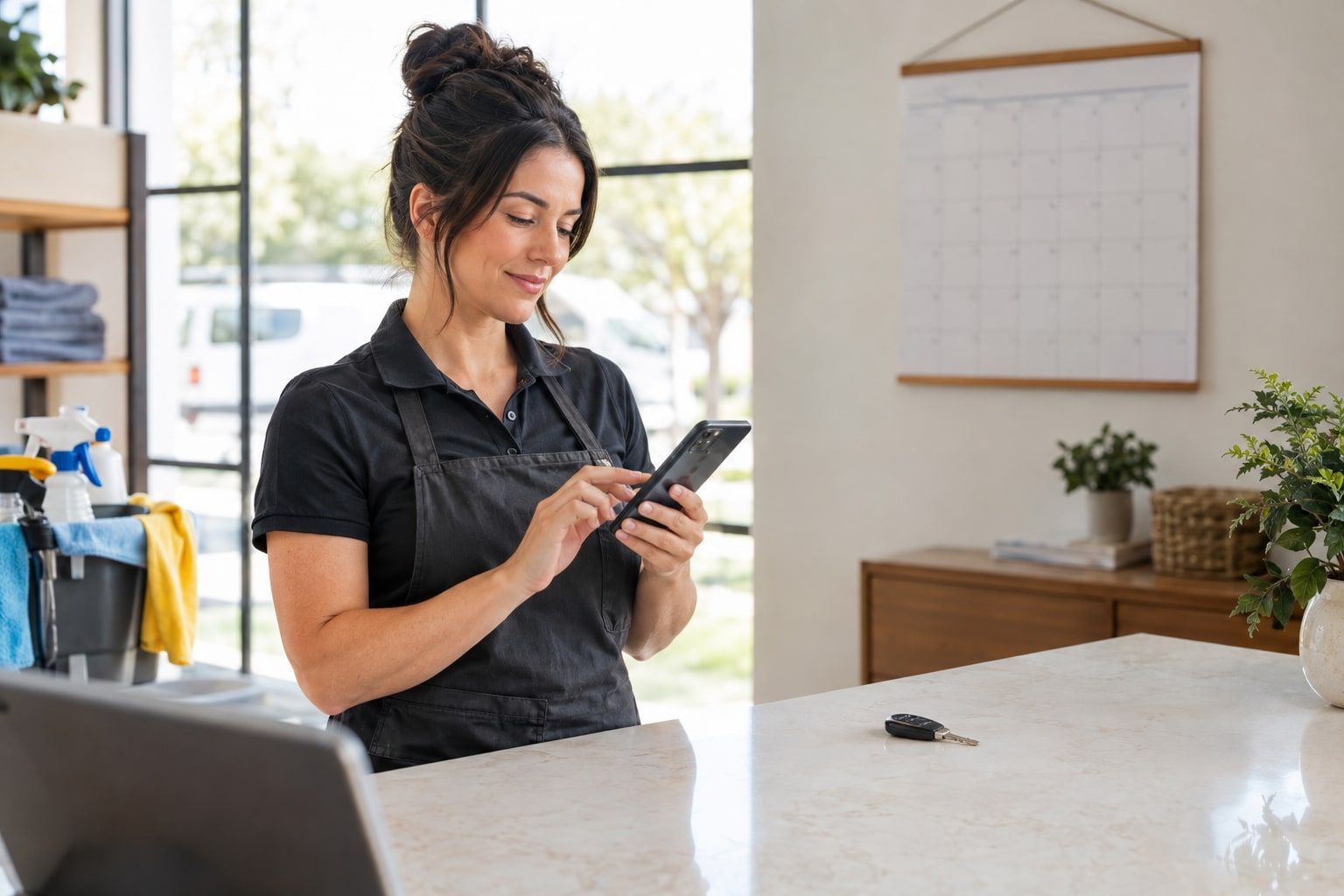
Appointment scheduling for sales teams
How to set up booking flows, availability slots, calendar sync and reminders so sales appointments get booked fast, never overlap and actually happen.
7 min readRead
Sales follow-up templates: texts and emails that get replies
24 copy-and-paste follow-up templates for new leads, quotes, no-shows, wins and losses, with short SMS versions and the consent basics to know first.
6 min readRead
Sales task management: never miss a follow-up
How to manage sales tasks: task types, priorities, due dates and reminders, a daily routine, overdue triage and automating tasks from CRM events.
7 min readRead